How Daily History Emails Are Changing the Way We Learn the Past
See also: Best History Books for Father’s Day 2026: 8 Picks the Dad Who Reads Will Actually Finish. Affiliate disclosure: […]
African, Asian, and global histories beyond Europe
See also: Best History Books for Father’s Day 2026: 8 Picks the Dad Who Reads Will Actually Finish. Affiliate disclosure: […]
Affiliate disclosure: As an Amazon Associate we earn from qualifying purchases made through Amazon links in this article. This costs
Ancient Greece and Ancient Rome are two of history’s most studied civilizations — but how different were they really? This deep comparison explores their origins, governments, cultures, and lasting legacies, revealing why Greece gave the world its ideas while Rome gave it its institutions.

Affiliate disclosure: As an Amazon Associate we earn from qualifying purchases made through Amazon links in this article. This costs
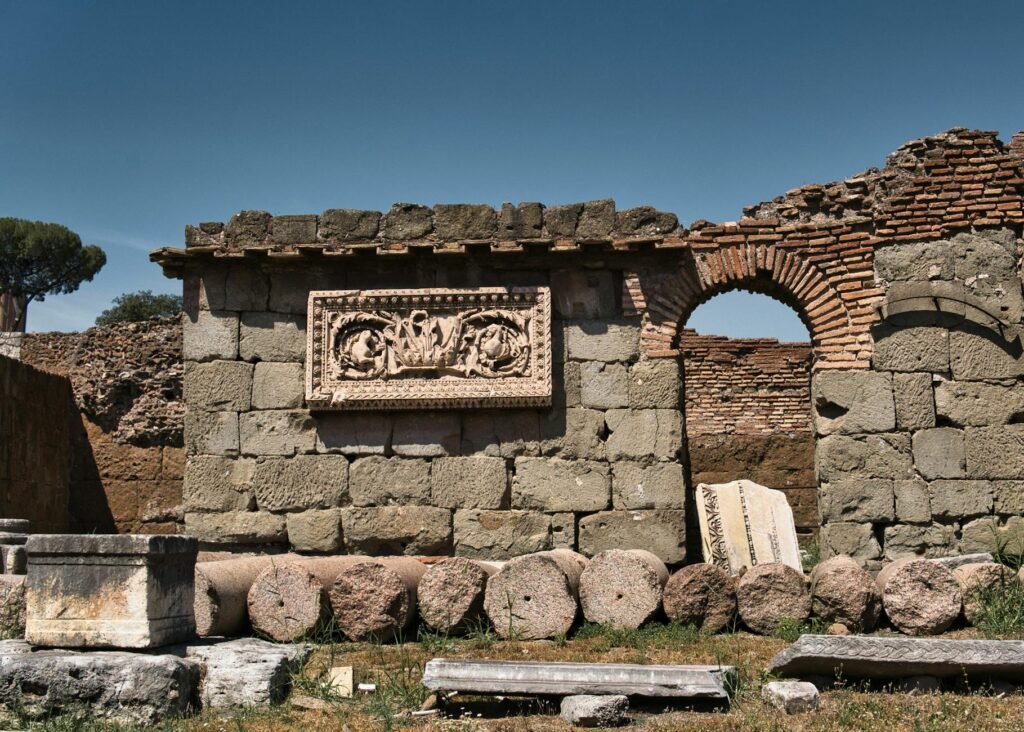
The Jewry Wall in Leicester is one of Britain’s most extraordinary Roman survivals — a towering fragment of a 2nd-century bathhouse complex that has outlasted empires, medieval churches, and centuries of urban change. In this post I’m sharing seven fascinating facts about this remarkable site that every history lover needs to know.
Two civilizations. One ancient Mediterranean world. But how different were Rome and Greece really? This deep-dive comparison answers the questions history lovers ask most — from government structures to cultural legacies that still shape our world today.
For decades, historians dismissed the late Roman limitanei as second-rate soldiers barely worth studying. Now a growing body of archaeological and textual evidence is forcing a dramatic reassessment of these frontier warriors and their vital role in keeping Rome alive.
In any weekly history questions thread about the ancient world, one comparison dominates all others: Ancient Greece versus Ancient Rome. These two civilizations built Western culture from the ground up — but they did it in strikingly different ways. Here is everything you need to know.
Around 325 BC, a Greek sailor from Marseille sailed north until the sea turned to ice — and came home to centuries of disbelief. Comparing Pytheas with his most persistent critic, the geographer Strabo, reveals a fascinating ancient battle between empirical exploration and scholarly authority that shaped how the world was mapped for generations.
What really separates Athenian democracy from the Roman Republic? This sunday digest interesting overlooked comparison breaks down 7 essential structural differences — from sortition to citizenship — and reveals which ancient model shaped the modern world more profoundly.