Marksburg Castle: Dating the Rhine’s Unconquered Fortress
Marksburg above Braubach is the only Middle Rhine hilltop castle never destroyed. Learn its history, owners, and how historians date a medieval castle.
Somewhere between the fall of Rome and the first cannon fire of the Renaissance, a thousand years of human history unfolded in ways that still shape the world today. The medieval era is often caricatured as a dark intermission between two brighter ages, but the truth is far richer, stranger, and more consequential than that comfortable myth suggests.
A World Rebuilt from the Ground Up
When the Western Roman Empire collapsed in the fifth century, it left behind not a wasteland but a puzzle â millions of people, surviving institutions, and inherited ideas scrambling to find new arrangements. What emerged over the following centuries was feudalism: a layered, imperfect system of land, loyalty, and obligation that gave medieval Europe its distinctive social texture. Kings negotiated with lords, lords with knights, and everyone, in theory, answered to God. The Byzantine Empire, meanwhile, preserved and transformed Roman traditions in the east, holding Constantinople as one of the most sophisticated cities on earth for nearly a thousand years. Understanding how these societies were built â and how they strained and cracked â is essential to understanding why Europe looks the way it does today.
Faith, Fire, and the Shape of a Civilization
No force defined medieval life more thoroughly than the Church. It funded the soaring Gothic cathedrals that took generations to complete, launched the Crusades that sent armies across thousands of miles toward Jerusalem, and maintained the universities where ancient knowledge was debated alongside new theology. Faith was not a private matter â it was woven into law, agriculture, medicine, and the calendar. Yet the medieval world was never simply Christian Europe in isolation. The Mediterranean hummed with exchange between Islamic scholars, Jewish merchants, Byzantine theologians, and Latin clergy. Ideas, spices, plagues, and armies moved constantly across borders that were more porous than maps suggest. The Crusades, for all their violence, were also encounters that left lasting marks on both sides.
Crisis, Resilience, and the Seeds of Change
The fourteenth century delivered catastrophe on a scale that is still difficult to absorb. The Black Death swept through Europe and the Mediterranean between 1347 and 1351, killing roughly one-third of Europe’s population in just a few years. It upended labor markets, shook faith in religious institutions, and permanently altered the social contract between peasants and their lords. Yet the centuries that followed also brought remarkable resilience and reinvention. The Vikings, long before all this, had already redrawn the map of the North Atlantic, settling Iceland and Greenland and reaching North America centuries before Columbus. Castle architecture evolved from simple wooden stockades into elaborate stone fortresses reflecting changing military technology and political power. Every crisis, every innovation, every unlikely survival story in this era points forward â toward the printing press, the voyages of exploration, and the transformations historians would later call the Renaissance and Reformation.
The articles below explore this vast, vivid era in depth, from the daily lives of ordinary people to the decisions of kings and popes that echoed across centuries â so wherever your curiosity leads, there is always more to discover.
Marksburg above Braubach is the only Middle Rhine hilltop castle never destroyed. Learn its history, owners, and how historians date a medieval castle.
How accurate is The 13th Warrior? The real Ibn Fadlan and the Volga Rus, his ship burial, the fictional Wendol, and what the film gets right and wrong.
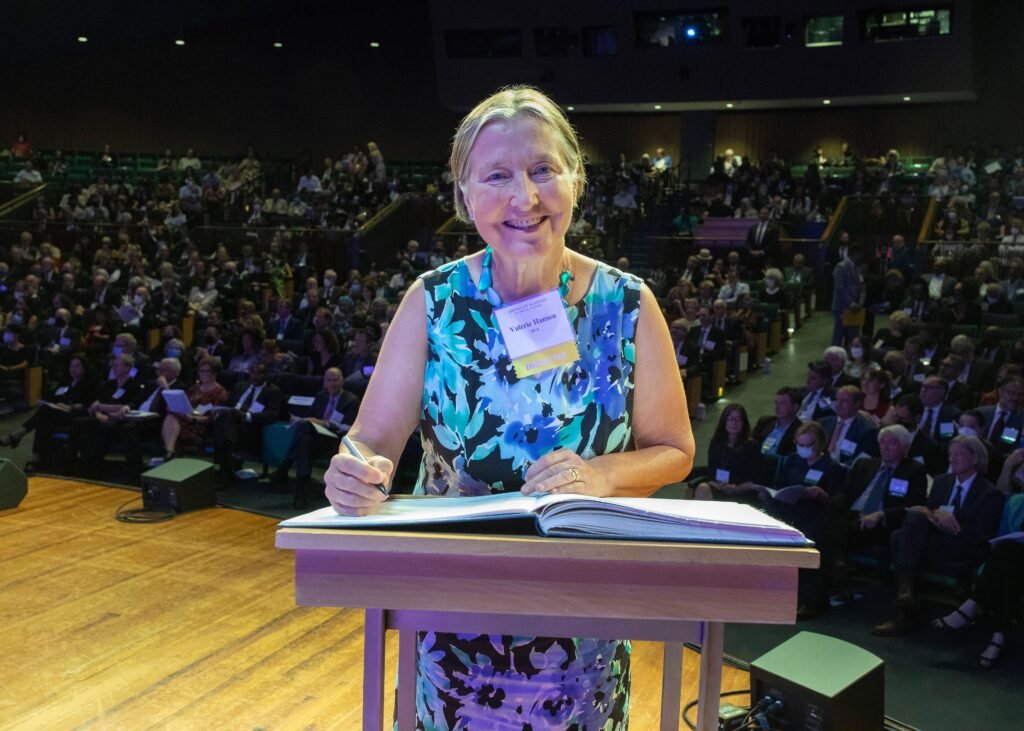
An honest, balanced review of The Year 1000: When Explorers Connected the World by Valerie Hansen – what works, where it falls short, and who should rea…
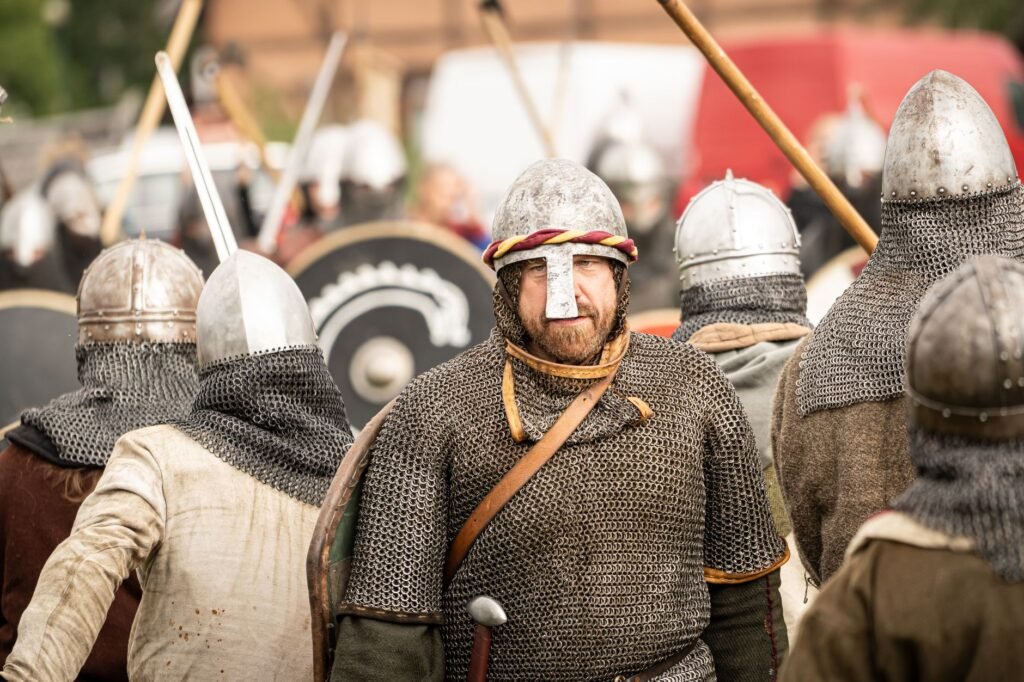
The popular image of the Viking as a horned-helmet raider owes more to 19th-century opera costuming than to anything archaeologists have actually dug up. The real story, spanning roughly 793 to 1066 AD, is stranger and more varied than the…
The document now celebrated as a foundation of legal rights and constitutional government was, in 1215, a pragmatic peace agreement between an unpopular king and rebellious barons — and it failed almost immediately as intended.
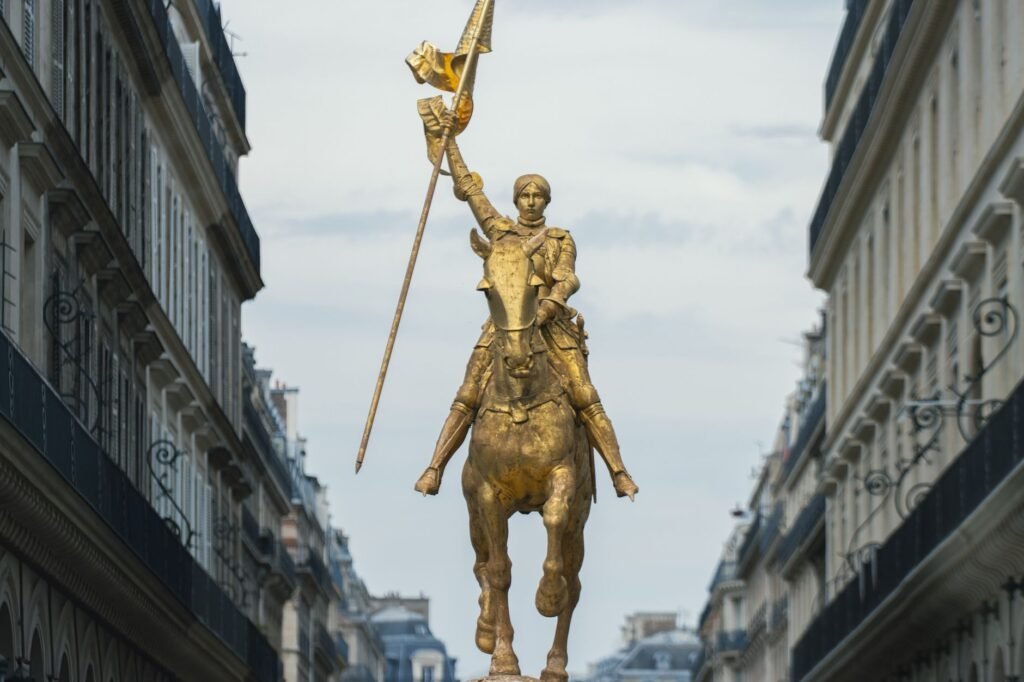
At 17, an illiterate peasant girl convinced a royal court she had been sent by God to save France — and then actually led troops to real, decisive military victories during one of the darkest stretches of the Hundred Years’…
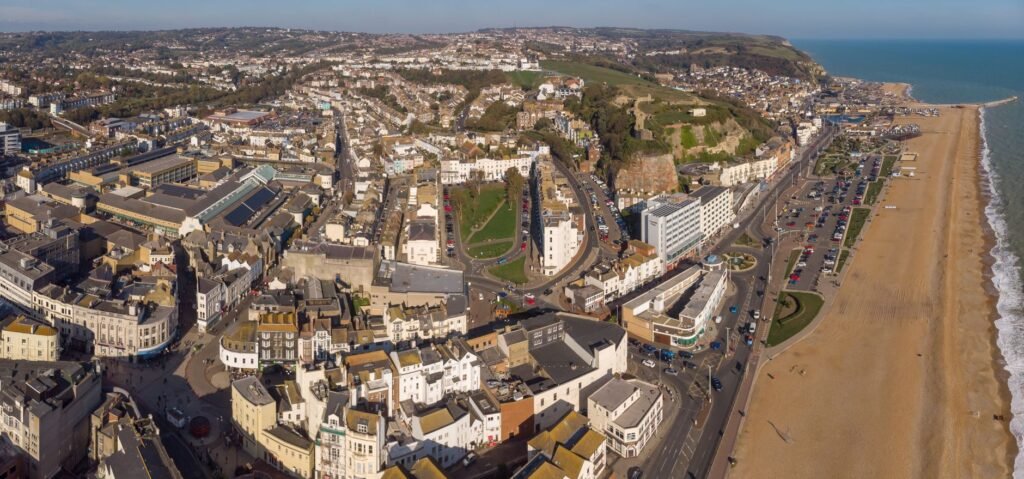
In a single day of fighting in October 1066, William of Normandy defeated King Harold II and set in motion changes to English language, law, and aristocracy that are still detectable nearly a thousand years later.
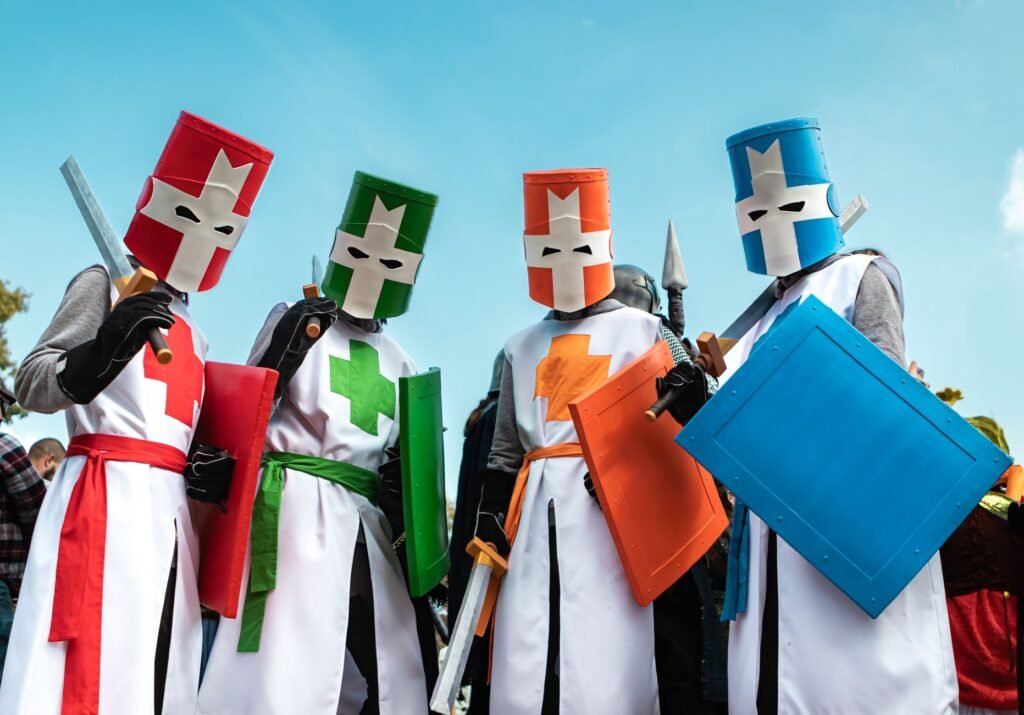
Nearly two centuries of Crusading campaigns get compressed in popular memory into a simple religious conflict — the actual motivations were a genuinely messier mix of faith, politics, economics, and opportunism.
Between 1347 and 1351, a pandemic swept across Europe with a speed and mortality rate that permanently reshaped the continent’s economy, social structure, and even its religious life.
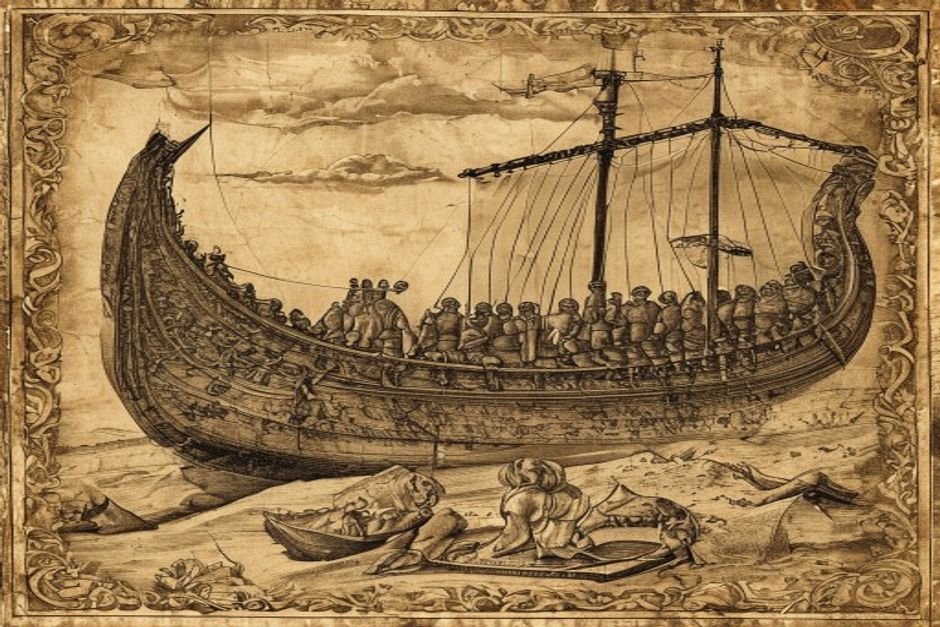
A grounded look at Sutton Hoo: An Anglo-Saxon King’s Ship Burial – the discovery that rewrote what we thought we knew about the Dark Ages