Historical Artifacts
Objects That Outlasted Empires
A Roman soldier’s sandal. A bronze coin worn smooth by a thousand hands. A manuscript so fragile that light itself can damage it. Somehow, against every reasonable expectation, these things survived â and now they speak to us across centuries in ways that written records simply cannot.
History is often told through the grand sweep of events: battles won, dynasties fallen, ideas that changed the world. But the objects that emerge from the earth, from the sea floor, from monastery libraries, and from royal tombs have a different kind of authority. They were actually there. A piece of Egyptian jewelry buried with its owner around 1500 BCE was made by specific human hands, worn against real skin, and placed in a tomb by someone who grieved. No chronicle or chronicle-writer can quite match that intimacy. Artifacts collapse the distance between then and now in a way that feels almost physical.
What Objects Can Tell Us That Words Cannot
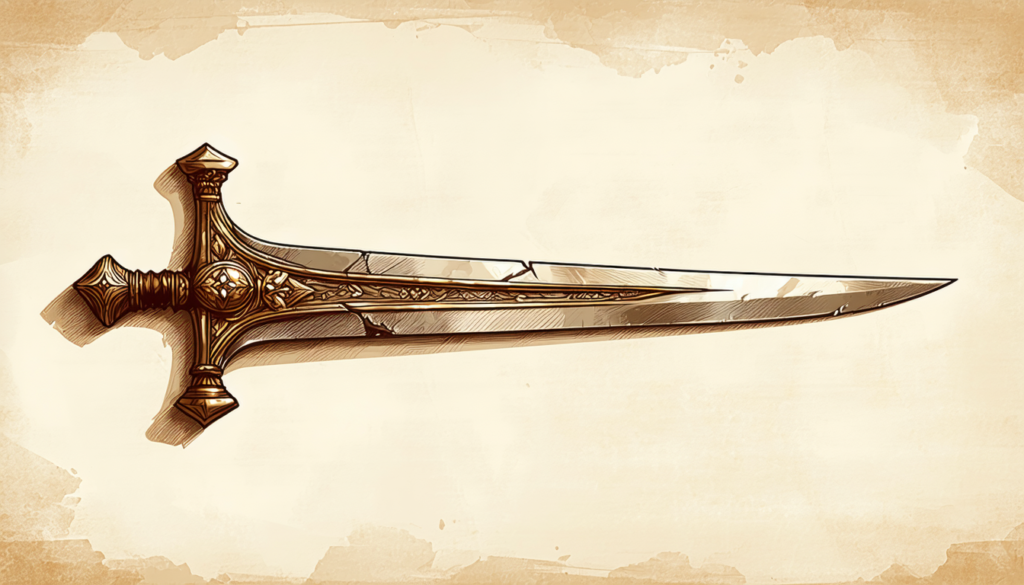
When archaeologists first studied ancient mosaic floors in detail, they discovered something unexpected: the tiny glass and stone tiles could reveal trade routes, because certain pigments and materials had to travel enormous distances to reach their final resting place. The mosaic itself became a map of the ancient world’s commerce. This is what makes artifacts such rich historical sources â they carry information their makers never consciously recorded. The wear pattern on a sword blade suggests how it was actually used, not just how military manuals said it should be used. The fingerprint pressed into the clay of an ancient pot before it fired is a completely unintentional signature, left by someone who had no idea that a reader thousands of years later would pause over it.
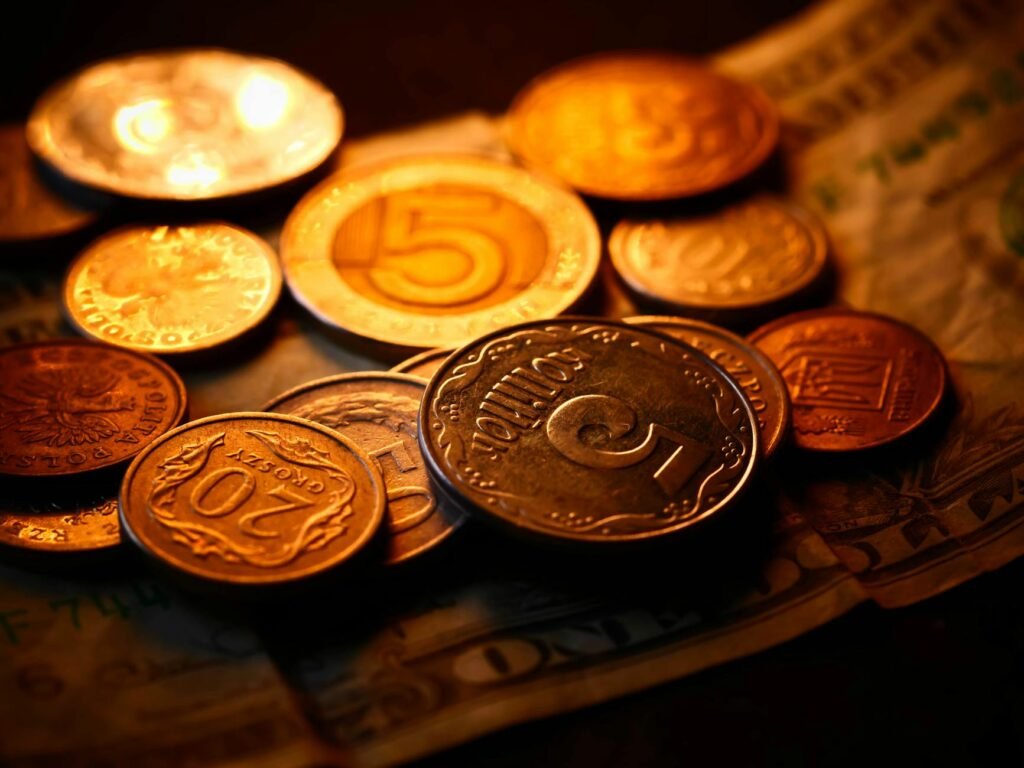
Coins deserve special attention here. Because they were produced in enormous quantities, dated, and deliberately inscribed with names and images, ancient coins are among the most reliable artifacts historians possess. They can confirm the existence of rulers whose names appear nowhere else in surviving texts. They track the slow debasement of currencies during periods of imperial stress. A single coin hoard discovered in a field can rewrite assumptions about which armies marched through a particular region and when.
The Long, Complicated Journey to the Museum Case
Most artifacts do not travel cleanly from ancient hands to a glass display case. Their journeys are often as fascinating as the objects themselves. Manuscripts were copied, smuggled, sold, rediscovered, and sometimes deliberately hidden to protect them from destruction. Ancient weapons and jewelry have passed through the hands of treasure hunters, private collectors, and black-market dealers long before any museum curator ever saw them. Even legitimately excavated pieces carry complicated stories of colonial-era collection practices that many institutions are now actively rethinking.
Understanding where an artifact has been â its provenance â is increasingly considered just as important as understanding where it came from originally. A Roman mosaic panel removed from its original context loses something irreplaceable: the relationship to the floor around it, the room it decorated, the building that contained that room. Context is not just academic housekeeping. It is part of the meaning. The articles collected here treat both the objects themselves and these broader questions about how we find, keep, and interpret the things the past left behind.
Whether you are drawn to the gleam of ancient gold, the faded ink of a medieval manuscript, or the humble clay vessels of everyday life, the pieces gathered in this section invite you to slow down and look closely at the evidence history actually left behind.