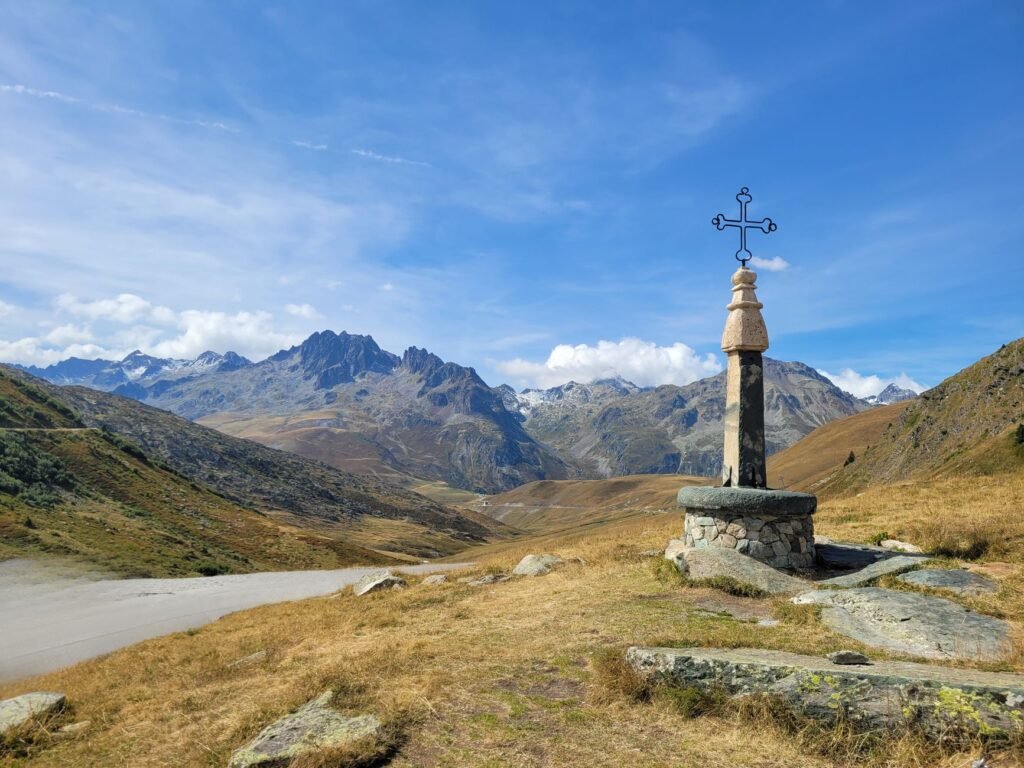
Hannibal Crossing the Alps: Elephants, Roman Legions, and History’s Most Audacious March
A grounded look at Hannibal Crossing the Alps – elephants, Roman legions, and one of history’s most studied military feats
Few civilizations have left a longer shadow than Rome. In roughly a thousand years, a small hilltop settlement beside the Tiber River grew into an empire that stretched from the Scottish borderlands to the deserts of Mesopotamia â and when it finally crumbled, the world it left behind still looked unmistakably Roman.
A Republic Built on Ambition and Argument
Rome did not begin as an empire. For nearly five centuries, it operated as a republic, governed by elected magistrates, a powerful Senate, and a set of unwritten rules about who deserved power and why. This system was contentious by design. Roman senators were expected to argue, negotiate, and compete â and that productive tension drove the city’s remarkable expansion across the Italian peninsula and beyond. Understanding the Republic means grappling with figures like Cicero, Caesar, and the Gracchi brothers, men whose careers illuminate a society wrestling with wealth, inequality, and the limits of democratic ideals. The Republic’s collapse was not a sudden disaster; it was the slow unraveling of institutions that could no longer contain the ambitions they had helped create.
Emperors, Legions, and the Roman World at Its Height
When Augustus emerged victorious from the ruins of the Republic, he was careful never to call himself a king. Instead, he presented himself as a humble servant of the state â while quietly accumulating authority that no senator could match. The emperors who followed, from the disciplined pragmatism of Hadrian to the dramatic religious transformation under Constantine, shaped not just Rome but the entire Western world. Behind every emperor stood the legions, arguably the most effective military machine the ancient world ever produced. Roman soldiers were builders as much as fighters, constructing the roads, aqueducts, and fortifications that stitched the empire together. Daily life in Rome itself â the crowded apartment blocks, the roar of the Circus Maximus, the neighborhood bakeries and public baths â was equally shaped by this vast imperial project, in ways both grand and deeply ordinary.
The Long Fall and the Lasting Legacy
Historians have proposed dozens of explanations for Rome’s decline, and the honest answer is that most of them contain a piece of the truth. Economic strain, military overreach, political instability, climate shifts, epidemic disease, and the pressure of peoples moving across the frontiers all played a role. The Western Empire’s formal end in 476 CE was, in many ways, anticlimactic â a final administrative acknowledgment of a reality that had been building for generations. Yet Rome refused to simply disappear. Its language became the foundation of half of Europe’s modern tongues. Its legal concepts are still embedded in courtrooms today. The Catholic Church inherited its organizational structure. Even the idea of imperium â the right to rule â echoed through the Holy Roman Empire, the British Empire, and beyond. Rome is not just ancient history; it is the architecture underneath the present.
The articles below explore this extraordinary civilization from every angle â so whether you are curious about a particular emperor, a forgotten battle, or what a Roman market stall actually looked like, there is something here waiting to pull you in.
A grounded look at Hannibal Crossing the Alps – elephants, Roman legions, and one of history’s most studied military feats
Kindle Unlimited includes many history titles, but what is included changes over time. Check each book’s Amazon page to see whether it is in the program before you buy.

From the dusty origins of the Roman Republic to the long collapse of the western empire — ten books that build the strongest possible foundation in Roman history.