
AI-narrated version of this post using a synthetic voice. Great for accessibility or listening while busy.
Affiliate disclosure: As an Amazon Associate, History Book Tales earns from qualifying purchases at no additional cost to you.
Not every history book belongs in audio. A book built around maps, family trees, or dense argumentative footnotes loses something real when it becomes pure sound. But narrative nonfiction, the kind built around pacing, tension, and a story unfolding in something close to real time, often works better read aloud than read on the page. The four titles below, all recent releases, are worth picking in audio specifically, not just as a convenient alternative to print.
Our existing audiobook gear guide and grandparents-focused audiobook picks already cover strong general listening; this piece is specifically about what is new, and about production choices — narrator, pacing, whether the author reads their own work — that make a specific book worth choosing in this format over print.
What Actually Makes a History Book Work Well in Audio
Pacing is the biggest factor. Books built around a countdown, a hunt, or a mystery-style structure — the exact narrative borrowing covered in our new-releases roundup — tend to translate strongly into audio because tension carries through a listener’s ear as effectively as through a reader’s eye, sometimes more so with the right narrator. Narrator choice matters more than most people expect going in; a skilled professional narrator can genuinely elevate dense material, while a poor match between narrator and subject can undercut even excellent writing. And author-narrated audiobooks are their own specific category worth understanding: they trade some technical polish for authenticity and, for memoir or deeply personal scholarship specifically, that trade-off often favors the author’s own voice.
Four Notable Audio Editions
Penelope’s Bones
Covered as a print release in our ancient history roundup, Emily Hauser’s book earns a specific mention here for its audio production: Hauser narrates the audiobook herself, which is genuinely uncommon for a work of serious classical scholarship. Author narration works particularly well here because the book is, in part, Hauser’s own scholarly journey through the archaeological and literary evidence — hearing that journey in her own voice adds a layer of authenticity a professional narrator, however skilled, could not fully replicate.
Shop Penelope's Bones Emily Hauser audiobook on Amazon →
The Blood Countess
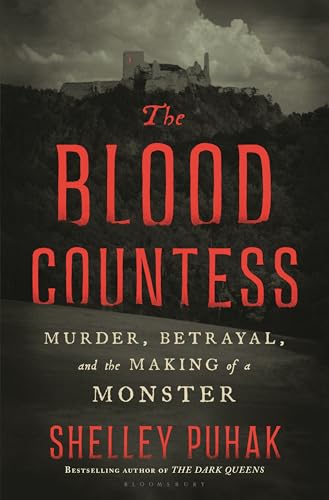
Shelley Puhak’s true-crime history of Elizabeth Bathory, covered in more depth in our true-crime-meets-history roundup, is narrated in audio by Vivienne Leheny. True crime is one of the strongest-performing genres in audio generally, and a book like this one, built around mounting archival evidence and a genuinely dark historical figure, is close to an ideal match for the format — pacing and tension carry a listener through material that might feel denser on the page.
Naples 1944
Keith Lowe’s history of occupied Naples, covered in full in our WWII bestsellers roundup, holds up well in audio specifically because of its narrative density — a large cast of real historical figures moving through a specific, chaotic period benefits from a narrator’s ability to differentiate voices and maintain momentum across what is, in print, a genuinely long and detail-rich book.

Neptune’s Fortune
Julian Sancton’s shipwreck-hunt narrative, covered in our new-releases roundup, is close to a textbook case for audio-friendly history writing: it is built around a decades-long obsessive quest, with real narrative momentum and a clear central character in treasure hunter Roger Dooley, which is exactly the structure that tends to translate strongly from page to ear.

Comparison at a Glance
| Book | Narrator | Why audio suits it |
|---|---|---|
| Penelope’s Bones | Emily Hauser (author) | Author’s own scholarly voice adds authenticity |
| The Blood Countess | Vivienne Leheny | True-crime pacing carries dense archival material |
| Naples 1944 | Professional narration | Large cast, chaotic period benefits from voice differentiation |
| Neptune’s Fortune | Professional narration | Quest-and-obsession structure built for momentum |
Author-Narrated Versus Professionally Narrated: A Real Trade-Off
It is worth being honest that author narration is not automatically better. Professional audiobook narrators train specifically in pacing, character differentiation, and vocal stamina across many hours of recording, and a gifted professional narrator can genuinely improve on how an author would read their own material aloud. Author narration wins specifically on authenticity and, for personal or reflective material, emotional register — an author reading their own scholarly journey, as with Penelope’s Bones, or their own life story, as many memoirists choose to do, carries a weight a substitute voice cannot fully match. Neither choice is universally correct; it depends on what a specific book is actually trying to do.
Matching the Audiobook to the Listener
For a listener with a genuine interest in classical scholarship who wants to hear the author’s own voice guiding the argument, Penelope’s Bones is the clear pick. For a listener who already enjoys true-crime podcasts and audiobooks and wants that same pacing applied to genuine, well-documented history, The Blood Countess is close to ideal. Naples 1944 rewards a listener who wants a long, immersive history to work through over many hours of commuting or exercise, while Neptune’s Fortune suits a listener who wants something closer to a thriller’s pace without giving up the fact that it is entirely true.
How an Audiobook Actually Gets Made
It is worth understanding roughly what happens between a finished manuscript and a finished audiobook, since that process explains a lot of the quality variation between titles. A publisher or audio-rights holder typically casts a narrator based on the book’s genre, tone, and subject matter — a narrator known for measured, authoritative delivery suits a dense narrative history very differently than one known for fast-paced thriller energy, and casting mismatches are a real, if under-discussed, reason a technically well-written book can still underperform in audio. Recording itself happens in a professional studio, usually over several sessions given that a full-length audiobook can require ten to twenty hours of finished narration, meaning far more hours of raw recording once retakes and pickups are factored in. A director and audio engineer typically oversee pacing, pronunciation of unfamiliar names and places (a genuinely significant task for a book covering, say, 16th-century Hungarian nobility or Bronze Age Greek names), and overall consistency across a recording that may stretch across multiple days or weeks.
Author narration changes this process meaningfully. An author reading their own book skips the casting question entirely but introduces a different challenge: most authors are not trained vocal performers, and sustaining engaging, well-paced narration across many hours of recording is a genuinely different skill than writing well. Publishers who choose author narration, as with Penelope’s Bones, are usually making a deliberate bet that authenticity and the author’s own command of unusual terminology outweighs the polish a trained narrator would bring — a bet that pays off well for a book like Hauser’s, where her own scholarly voice is genuinely part of the material’s appeal.
Streaming, Subscriptions, and Ownership: What Format Actually Gets You
It is worth being clear-eyed about what you are actually buying when you choose an audiobook format, since the options differ more than casual shoppers often realize. A credit-based subscription service like Audible functions closer to a rental-with-benefits model in practice: credits typically buy permanent access to a specific title even after canceling a subscription, but new credits stop accruing once you cancel. Library apps like Libby or Hoopla offer genuinely free access to audiobooks, including several of the titles covered above, but on a borrowed, time-limited basis with waitlists for popular new releases, similar to a physical library loan. Direct purchase, through a platform like Libro.fm or a publisher’s own store, buys the file outright without any subscription tie-in at all, which matters if you specifically want a permanent personal library rather than ongoing access through a single platform’s app. None of these is objectively the correct choice; the right one depends on how much you read in audio, whether you are willing to wait for library holds, and whether platform lock-in matters to you.
Playback Speed and Retention: A Genuine Trade-Off Worth Knowing
Most audiobook apps default to 1x playback speed but let listeners increase it, often up to 2x or beyond, and for narrative history specifically, that adjustment is worth thinking about deliberately rather than defaulting to whatever speed feels fastest while still comprehensible. Research on audio comprehension generally suggests that faster playback speeds can reduce retention of dense, information-heavy material even when a listener still feels they are following along in the moment — a real concern for something like Naples 1944 or Neptune’s Fortune, both packed with names, dates, and specific factual detail that rewards close attention. Fiction and memoir, built more around emotional pacing than dense factual content, tend to tolerate a faster playback speed with less real comprehension cost. If a specific title matters enough that you want to actually retain the historical detail rather than simply finish it, 1x or a modest 1.1-1.25x speed is generally the safer choice over anything faster. It is a small, easily overlooked setting, but for a book you genuinely want to absorb rather than simply check off a reading list, it is worth treating deliberately rather than defaulting to whatever speed a previous, less demanding audiobook happened to be set at. A second, related habit worth building: pausing between chapters on unfamiliar dense narrative history, rather than letting one long, unbroken listen run into the next, gives the material a genuine chance to settle before new names and dates start layering on top of it.
Frequently Asked Questions
Is an author-narrated audiobook always the better choice over a professionally narrated one?
No — it depends on the book and the author’s own vocal delivery. Author narration tends to work best for memoir and personal scholarly material; dense narrative history with a large cast of characters often benefits more from a trained professional narrator’s range.
Do these audiobooks include the same content as the print editions, or are they abridged?
Standard trade audiobook editions from major publishers are typically unabridged, matching the full print text, though it is always worth checking a specific listing before buying if this matters to you.
How long are these audiobooks typically?
Narrative nonfiction history audiobooks of this kind commonly run somewhere between nine and fifteen hours, though exact runtimes vary by title and are listed on each audiobook’s product page.
Can I switch between the audiobook and print or ebook edition of the same title without losing my place?
Many platforms, including Audible through its Whispersync feature with a matching Kindle edition, support syncing your place across formats, though this depends on which specific platform and edition you use.
Which of these four is the best starting point for someone new to history audiobooks generally?
The Blood Countess is a strong entry point, since true-crime pacing tends to hold the attention of listeners who are more used to fiction or true-crime podcasts than traditional narrative history.
Related Auburn AI Products
Building a content site at scale? Auburn AI has production-tested kits: