
AI-narrated version of this post using a synthetic voice. Great for accessibility or listening while busy.
Affiliate disclosure: As an Amazon Associate, History Book Tales earns from qualifying purchases at no additional cost to you.
A 20-hour audiobook, the kind a serious WWII history box set or a full Gibbon reading regularly runs, asks something different of your gear than a 40-minute podcast episode does. Comfort over many consecutive hours matters more than sound signature. Battery life matters more than maximum volume. And for anyone who listens while walking, running errands, or doing yard work, situational awareness — actually being able to hear traffic and people around you — matters more than noise isolation ever will. This guide is built around those specific long-form listening needs rather than general audio quality.
It also connects directly to how a lot of readers already consume history content on this site. Long narrative nonfiction and multi-volume histories are exactly the kind of book many readers finish on audio rather than in print, simply because a 20-plus hour listen fits into a commute or a daily walk in a way a 700-page hardcover doesn’t.
What Actually Matters for Long-Form Listening
All-day comfort. Over-ear headphones that feel fine for an hour can become genuinely uncomfortable at hour four — clamping force and ear cup padding matter more here than they do for casual listening. Bone-conduction headphones sidestep the ear-fatigue issue entirely by not sitting in or over the ear at all, at some cost to bass response and isolation.
Battery life relative to typical audiobook length. A single history audiobook can run anywhere from 10 to 30-plus hours. Gear that needs recharging every few hours becomes a genuine interruption to a long listen; gear rated for a full day or more removes that friction entirely.
Situational awareness for on-the-go listening. For listening while driving, walking, or exercising, being able to hear your surroundings matters for safety. For listening at home or on a plane, active noise cancellation instead becomes the more valuable feature, blocking out the ambient noise that competes with narration.
Why Audiobooks Work Especially Well for History
There’s a real argument that narrated audio is closer to how most historical knowledge was transmitted for most of human history than silent reading ever was. Oral tradition — history passed down through spoken narrative, recited genealogies, sung epics — predates writing by an enormous margin, and even after writing became common, reading aloud to a listening audience remained the standard way most people encountered long narrative works for centuries, simply because literacy and access to books were far from universal. A skilled narrator working through a dense historical narrative is doing something with real precedent: turning a written record back into a spoken one, the direction historical transmission ran for most of the time humans have been telling each other about the past.
The modern audiobook industry is much younger, but it’s grown enormous. Audible launched in the late 1990s as one of the first companies to sell digital audio programming for portable devices, well before smartphones existed, and the format has grown into a genuinely mainstream way to consume long nonfiction — not a niche accommodation for people who “can’t” read, but a format many committed readers now actively prefer for exactly the kind of dense, long-form history writing this site covers. A 20-hour narrated history has a pacing and emotional rhythm a silent reader has to supply for themselves on the page; a good narrator supplies it directly, which is part of why long narrative nonfiction in particular tends to translate so well to audio.
Five Strong Picks
Shokz Bone Conduction Headphones
Bone conduction headphones sit just in front of the ear rather than in or over it, transmitting sound through vibration against the cheekbone instead of through the ear canal. That means your ears stay completely open to ambient sound — genuinely useful for anyone who listens to history audiobooks while running, cycling, or walking near traffic, where full situational awareness matters. The trade-off is a thinner bass response than over-ear headphones deliver, which matters less for narrated audiobooks than it would for music, since spoken narration doesn’t lean on bass the way music does.

- Unparalleled Audio and Premium sound – Dual drivers combine the clear highs of Bone Conduction Tech with the deep bass of Air C…
- Open-Ear Awareness – SHOKZ’s signature open-ear design helps you power through your workouts while keeping you safely aware of…
- Secure Stable, Lightweight Fit – The weight-optimized design of this unibody frame integrates a Ni-Ti alloy memory wire and erg…
Sony WH-1000XM5 Noise-Cancelling Headphones
For at-home listening, air travel, or any environment with background noise to block out, a premium active noise-cancelling headphone remains the strongest choice for actually disappearing into a long audiobook. Multi-hour comfort and battery life rated well beyond a single listening session make this class of headphone particularly well suited to the genre of long narrative history audiobooks this site covers regularly — a 20-hour WWII trilogy on audio is a realistic single-charge use case for top-tier noise-cancelling headphones in this class.

- PREMIUM NOISE CANCELLATION: Two processors control 8 microphones for unprecedented noise cancellation. With Auto NC Optimizer,…
- MAGNIFICENT SOUND: Engineered to perfection with the new Integrated Processor V1.
- CRYSTAL CLEAR HANDS-FREE CALLING: 4 beamforming microphones, precise voice pickup, and advanced audio signal processing.
A Dedicated Clip-Style MP3 Player
A small, simple dedicated audio player, without a phone’s notifications, apps, or screen to pull focus, is a specific and often overlooked solution for distraction-free long-form listening — load it with an audiobook file and it does exactly one job. This is a strong pick for anyone who finds themselves reaching for their phone mid-audiobook to check something else entirely, or for exercise use where a phone is genuinely inconvenient to carry.

- ðð [2.0″ IPS HD Touchscreen + Physical Buttons, Safe Blind Operation] Enjoy crisp visuals and smooth, responsive touch on…
- ð§ ð [Clip MP3 Player with Bluetooth 5.3 – Long Range & Auto Reconnect] Stable Bluetooth 5.3 connection with up to 65ft ra…
- ð ð½ [Portable Clip-On MP3 Player with Large Storage] Clip this MP3 Player Bluetooth to your bag, belt, or collar for han…
An Echo Dot or Comparable Smart Speaker
For home listening specifically — cooking, cleaning, working around the house — a smart speaker turns audiobook listening into a hands-free, room-filling activity rather than something tied to headphones. Voice control (skip back thirty seconds to replay a missed detail, pause instantly when someone walks in) is a genuinely useful feature specific to this format, and it integrates directly with major audiobook platforms without needing a phone or headphones at all.
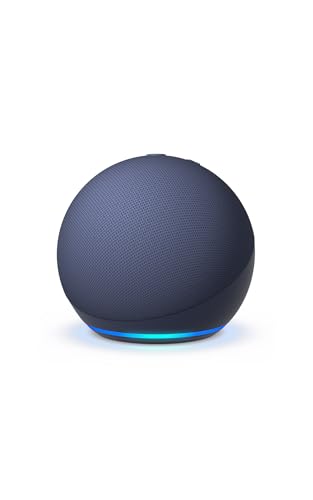
- Your favorite music and content – Play music, audiobooks, and podcasts from Amazon Music, Apple Music, Spotify and others or vi…
- Alexa is happy to help – Ask Alexa for weather updates and to set hands-free timers, get answers to your questions and even hea…
- Keep your home comfortable – Control compatible smart home devices with your voice and routines triggered by built-in motion or…
A Portable Bluetooth Speaker
For listening outdoors, in a garage or workshop, or anywhere a smart speaker’s need for a wall outlet and Wi-Fi doesn’t fit, a portable battery-powered Bluetooth speaker fills the same hands-free role away from home. Look specifically for battery life rated in the multi-hour range and reasonable durability if it’ll travel or see outdoor use regularly, since these units get more physical wear than a stationary smart speaker ever will.

- Outdoor-Proof Speaker: Portable design with IPX7 waterproof protection to safeguard against splashes, waves, and water vapor. G…
- 24H Non-Stop Music: With Anker’s world-renowned power management technology and a 5,200mAh Li-ion battery, the soundcore 2 spea…
- Powerful Sound: The speaker features 12W power with enhanced bass from dual neodymium drivers. An advanced digital signal proce…
Where a Second Device Actually Earns Its Keep
Most people default to a single pair of headphones for everything, but the case for owning two purpose-built pieces of gear rather than one all-purpose set is stronger in this category than in most audio use cases. A pair of bone conduction headphones for outdoor listening plus a smart speaker for at-home use costs less combined than a single premium noise-cancelling headphone, while covering two genuinely different listening situations better than one device stretched across both. The overlap only really becomes a problem if you’re trying to make one device do a job it wasn’t built for — running noise-cancelling headphones on a busy street where you actually need to hear traffic, or using bone conduction headphones in a loud environment where they can’t compete with ambient noise the way a sealed, cancelling headphone can.
Comparison Table
| Gear | Best environment | Situational awareness | Typical battery life |
|---|---|---|---|
| Shokz bone conduction | Outdoor/exercise | Excellent (ears stay open) | 8-10+ hours |
| Sony WH-1000XM5 | Home, travel, flights | Low (by design, for noise cancelling) | 24-30+ hours |
| Clip-style MP3 player | Exercise, distraction-free listening | N/A (pair with any headphones) | Multi-day on a charge |
| Echo Dot / smart speaker | Home, hands-free | N/A (room speaker) | Plugged in, no battery limit |
| Portable Bluetooth speaker | Outdoor, workshop, travel | N/A (room/area speaker) | 8-20+ hours depending on model |
Getting the Most Listening Time Out of Any of These
A few habits extend real-world battery life meaningfully beyond a spec sheet’s rated number, which matters more here than in most gear categories given how long a single history audiobook can run. Lowering volume even slightly has an outsized effect on headphone battery life compared to the listening difference it makes — most narrated audiobooks don’t need to be played anywhere near maximum volume to be perfectly clear. Turning off active noise cancellation in genuinely quiet environments, rather than leaving it on by default everywhere, also meaningfully extends a charge on ANC headphones like the Sony WH-1000XM5, since the cancellation circuitry draws power continuously whether or not there’s meaningful noise to cancel. And for any Bluetooth device, keeping firmware updated through the manufacturer’s companion app periodically improves both battery efficiency and connection stability, a maintenance step that’s easy to forget once a device is working fine.
Matching Gear to How You Actually Listen
If most of your listening happens on walks, runs, or a commute where traffic awareness matters, Shokz bone conduction headphones are the clear pick despite the bass trade-off — safety and situational awareness outweigh audio fidelity for spoken-word content specifically. If your listening happens mostly at home, on flights, or anywhere background noise competes for attention, the Sony WH-1000XM5 class of noise-cancelling headphones delivers the most immersive experience available here. For listening while doing hands-on tasks around the house, a smart speaker or portable Bluetooth speaker removes headphones from the equation entirely, and the choice between the two comes down simply to staying in one room versus moving between several.
Pair any of these with a subscription service — see our Audible Christmas gift guide for picks on the content side, or browse our e-reader comparison if you’re weighing audio against a dedicated reading device instead.
Frequently Asked Questions
Do I lose audio quality with bone conduction headphones?
Bass response is noticeably thinner than standard headphones, since the technology transmits sound through vibration rather than air pressure into the ear canal. For spoken-word audiobooks and podcasts, which rely far less on bass than music does, this trade-off matters much less than it would for a music-focused listener.
Is active noise cancellation worth the extra cost for audiobooks specifically?
If most of your listening happens in noisy environments — flights, public transit, open offices — yes, noticeably. If you mostly listen in quiet settings already, the premium for top-tier noise cancellation buys you less practical benefit, and a simpler headphone may serve just as well.
Can I use a smart speaker for audiobooks without a subscription service?
It depends on the platform and how your audiobook library is set up — most smart speakers integrate directly with major audiobook and podcast services through voice command once your account is linked, without needing a separate app open on a phone.
How much battery life do I actually need for a 20-hour audiobook?
Ideally enough to get through a full listening session or a full day without a mid-session recharge interrupting the story. Headphones rated for 24-plus hours essentially remove this concern; anything rated under 10 hours means planning around at least one recharge during a very long book.
Are dedicated MP3 players still worth buying when phones can do the same thing?
For most people, a phone is genuinely sufficient. A dedicated player earns its place specifically for people who find phone notifications and app-switching genuinely disruptive to long-form listening, or who want a lighter, distraction-free device for exercise specifically.
Related Auburn AI Products
Building a content site at scale? Auburn AI has production-tested kits: