
AI-narrated version of this post using a synthetic voice. Great for accessibility or listening while busy.
Affiliate disclosure: As an Amazon Associate, History Book Tales earns from qualifying purchases at no additional cost to you.
A biography lives or dies on one specific decision: what does this book know that the last one did not? A subject as thoroughly covered as Lincoln or Marlowe does not need another cradle-to-grave retelling of facts already available in a dozen earlier books. It needs a genuinely new angle, new primary sources, or a structural choice that reframes something readers thought was already settled. The four books below, all currently doing real business at retail, each pass that test in a different way.
This is deliberately not another generic “essential biographies” list — our existing historical biographies guide already covers that canonical ground (Chernow’s Hamilton, Goodwin’s Team of Rivals, Isaacson’s Franklin, and others), and nothing below repeats those picks.
What Makes a Biography Worth Reading Again in a Crowded Field
Three things, consistently, separate a biography that earns real current attention from one that simply exists. New primary sources matter enormously — private correspondence, family archives, or newly opened records that previous biographers either did not have access to or did not fully mine. A genuinely different organizing thesis matters too: not just “here is everything about this person’s life” but a specific claim about how to understand it, argued and defended across the whole book. And, less often discussed but genuinely important, the writing itself has to earn a full-length treatment — a subject can be historically significant and still make for a dull four hundred pages in the wrong hands.
Four Books Doing Real Business Right Now
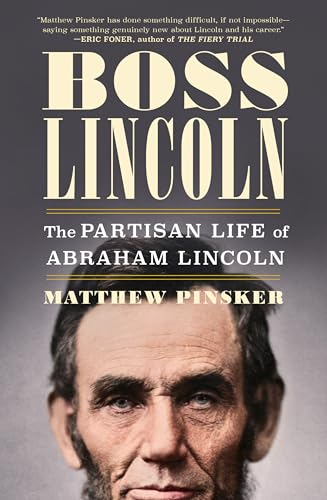
Boss Lincoln: The Partisan Life of Abraham Lincoln
Covered in more detail in our roundup of new 2025-2026 history releases, Matthew Pinsker’s 2026 Norton biography earns its place here specifically as biography: it is built almost entirely from Lincoln’s private correspondence, and its organizing thesis, that Lincoln should be understood first as a skilled party operative rather than a statesman who happened to also do politics, is exactly the kind of reframing that makes a well-trodden subject feel newly worth reading about.
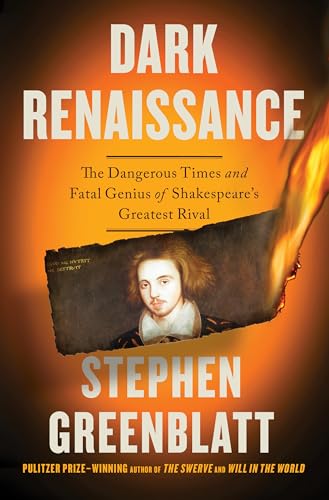
Dark Renaissance: The Dangerous Times and Fatal Genius of Shakespeare’s Greatest Rival
Stephen Greenblatt’s 2025 biography of Christopher Marlowe, from the Harvard scholar behind *Will in the World*, brings serious literary-critical weight to a subject who has often been treated more as a colorful footnote to Shakespeare than a figure worth a full biography in his own right. Greenblatt traces Marlowe’s short, dangerous life — his erotic translations of Ovid, the ambition of *Tamburlaine*, the dark bargain at the center of *Doctor Faustus* — alongside his documented work as a government intelligence agent and his violent, unresolved murder at twenty-nine. It has drawn some mixed reader reaction for sitting in an odd zone between popular and academic writing, which is worth knowing going in, but it remains a genuinely serious treatment of a figure most readers only know secondhand.
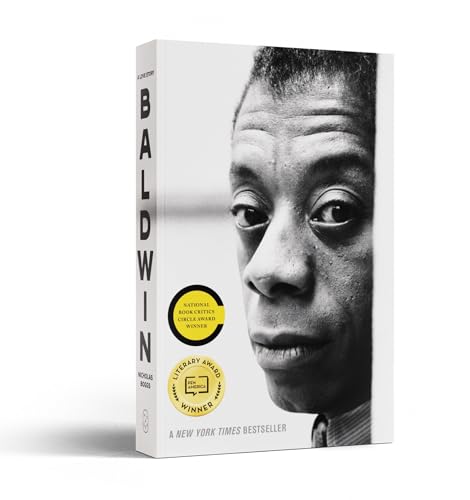
Baldwin: A Love Story
Nicholas Boggs’s 2025 biography of James Baldwin takes on one of 20th-century American literature’s most examined figures with a specific, underused lens: Baldwin’s relationships and love life as a throughline for understanding his writing, his politics, and his sense of self, rather than treating those relationships as background detail to his public career as a writer and civil rights voice. For a figure this extensively documented and discussed, finding a genuinely fresh organizing angle is not easy, and that specific choice is what earns this book its place among current biography.
The Happiest Man on Earth
Covered in more detail in our WWII bestsellers roundup, Eddie Jaku’s memoir earns a second mention here specifically as memoir: it is a first-person account built around a single, hard-won thesis about what to do with a life after surviving Kristallnacht, Buchenwald, and Auschwitz, and its continued strength on bestseller lists years after publication says something real about sustained reader demand for reflective, personal memoir alongside researched biography.

Comparison at a Glance
| Book | Subject | What makes it new | Genre |
|---|---|---|---|
| Boss Lincoln | Abraham Lincoln | Private correspondence, political-operative thesis | Political biography |
| Dark Renaissance | Christopher Marlowe | Full biographical treatment of an underserved figure | Literary biography |
| Baldwin: A Love Story | James Baldwin | Relationships as an organizing lens | Literary biography |
| The Happiest Man on Earth | Eddie Jaku | Personal reflection, sustained demand | Memoir |
Biography Versus Memoir: A Quick Distinction Worth Keeping Straight
Biography and memoir get grouped together constantly, but they are built differently and reward different expectations. A biography is researched and written by someone other than its subject, drawing on external sources, correspondence, and documentary evidence to reconstruct a life. A memoir is written by the subject about their own experience, and its authority comes from firsthand perspective rather than external verification. Three of the four books above are biographies; The Happiest Man on Earth is the one memoir, and it is worth reading with that distinction in mind, since it is offering Jaku’s own reflections rather than an independently researched account of his life.
Matching the Book to the Reader
For a reader who already thinks they know Lincoln well and wants a genuinely different frame on him, Boss Lincoln delivers that. For a reader drawn to Elizabethan literary history and true intrigue, Dark Renaissance covers ground — Marlowe’s spy work, his violent death — that reads almost like thriller material despite being rigorously sourced. For a reader with a serious interest in Baldwin specifically, or 20th-century American literary and civil rights history more broadly, Baldwin: A Love Story offers a angle most existing Baldwin biographies have not centered. And for a reader who wants memoir over biography, something personal and reflective rather than externally researched, The Happiest Man on Earth remains the strongest current option in that specific lane.
If presidential and political biography specifically is your focus, our roundup of new 2025-2026 releases covers Boss Lincoln alongside two other current titles in different genres entirely.
Why Marlowe and Baldwin Are Both Getting Revisited Right Now
It is worth asking why two figures as thoroughly documented and discussed as Christopher Marlowe and James Baldwin are both receiving significant new biographical treatment in the same general window, since the answer is not simply coincidence. Marlowe’s case is largely archival: the surviving primary documentation of his life, including the coroner’s inquest into his murder and his documented ties to Elizabethan-era government intelligence work, has been available to scholars for a long time, but connecting that scattered documentary record into a genuinely compelling narrative biography for a general audience, rather than a narrow academic study, requires exactly the kind of literary-critical skill Stephen Greenblatt brings from his career studying Shakespeare and the broader Renaissance. The material was there; the right biographer for a trade audience had not yet taken it on at this scale.
Baldwin’s case is different, and arguably more about timing than access. Baldwin has never lacked biographical attention — his life and work have been studied continuously since his death in 1987, and previous biographies exist in real depth. What Nicholas Boggs identified as a genuine opening was a specific angle rather than new source material: Baldwin’s relationships have typically appeared as background context to his public career as a writer and civil rights figure, rather than as the organizing lens for understanding that career in the first place. That kind of angle-driven biography, finding a genuinely underused frame on an extensively documented life rather than uncovering wholly new facts, is its own distinct skill from archival biography like Greenblatt’s Marlowe project, and it is worth recognizing both as legitimate, different paths to the same goal: making a well-known subject feel newly worth a reader’s full attention.
What to Check Before Trusting a New Biography’s Claims
Not every biography earns equal trust simply by virtue of being well-written or well-reviewed, and it is worth knowing a few practical checks before treating a new biographical claim as settled fact. Source notes and a bibliography at the back of the book are the single most useful indicator — a biography built on primary correspondence, court records, or archival material will typically document exactly where each significant claim comes from, while a biography leaning heavily on earlier secondary biographies is, in effect, retelling rather than adding new evidence. It is also worth checking whether a biographer had access to family archives, an estate’s cooperation, or previously sealed records, since that kind of access is usually flagged explicitly in a book’s introduction or acknowledgments and is a genuine marker of new material rather than a new interpretation of old material.
Reviews from subject-matter specialists, rather than general book critics, are worth seeking out specifically for biography, since a specialist reviewer is positioned to catch factual errors or questionable interpretive leaps that a general reviewer, working outside that specific field, would likely miss entirely. For a figure as extensively studied as Baldwin or a period as thoroughly documented as the Elizabethan literary world, academic journals and specialist publications often publish review coverage months after a book’s general release, and that delayed, more rigorous coverage is worth watching for if a specific claim in one of these books matters enough to you to verify independently.
Frequently Asked Questions
Is Dark Renaissance appropriate for a reader without a literary studies background?
Yes, though it sits closer to the academic end of popular biography than some of the others here — a reader with some existing interest in Shakespeare-era literature and history will get the most out of it, but no specialist training is required.
How much of Baldwin: A Love Story is about Baldwin’s writing versus his personal life?
Both are woven together throughout — the book uses Baldwin’s relationships specifically as a lens for understanding his writing and public political voice, rather than treating the two as separate threads.
Are any of these books authorized by their subject’s estate or family?
That varies by title and is worth checking directly with the publisher or author’s own statements if it matters to you specifically — authorization status affects what kind of source access a biographer had, but does not by itself determine a book’s quality or rigor.
Why is a WWII memoir like The Happiest Man on Earth included in a biography roundup?
Memoir and biography are closely related genres that both center a single life, and readers shopping for one often consider the other — it is included here specifically for that memoir angle, distinct from its earlier mention in our WWII-focused roundup.
Which of these four would make the best gift for someone who already reads a lot of biography?
Dark Renaissance or Baldwin: A Love Story are the stronger picks for a well-read biography fan specifically, since both take on subjects that already have substantial existing biographical treatment and each finds a genuinely new way in.
Related Auburn AI Products
Building a content site at scale? Auburn AI has production-tested kits: