
Affiliate disclosure: As an Amazon Associate, HistoryBookTales earns from qualifying purchases at no additional cost to you. Product availability subject to change.
Egyptian mummification was a genuinely sophisticated process refined over centuries, combining real anatomical knowledge with religious ritual to preserve bodies well enough that some remain identifiable thousands of years later.
Removing what would decay fastest
Embalmers removed the internal organs most prone to rapid decomposition — though notably left the heart in place, believed necessary for the afterlife judgment — and preserved the removed organs separately in canopic jars.
Natron: the actual preservative
The body was packed in natron, a naturally occurring salt compound, for around 40 days to draw out moisture — the genuine scientific mechanism behind Egyptian mummification’s remarkable preservation, not just ritual alone.
A process reserved for the wealthy
Full mummification was expensive and largely reserved for royalty and the elite; most ordinary Egyptians received far simpler burial treatment, another example of how much surviving evidence skews toward the wealthy rather than typical experience.
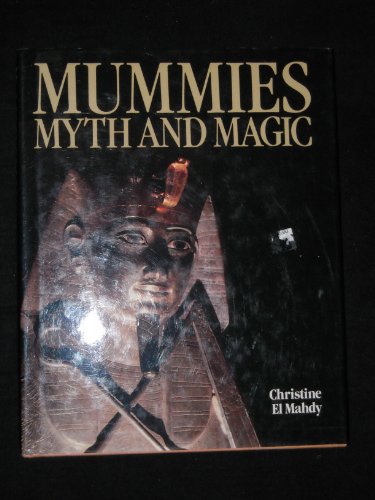

- Used Book in Good Condition
Modern CT scanning and other non-invasive techniques continue revealing new details about the process without disturbing mummies that have survived for millennia.
Related Auburn AI Products
Building a content site at scale? Auburn AI has production-tested kits: