
Affiliate disclosure: As an Amazon Associate, HistoryBookTales earns from qualifying purchases at no additional cost to you. Product availability subject to change.
Between 1347 and 1351, a pandemic swept across Europe with a speed and mortality rate that permanently reshaped the continent’s economy, social structure, and even its religious life.
A disease that traveled faster than anyone understood
The plague spread along trade routes from Central Asia through the Mediterranean and into Europe, carried by fleas on rats aboard merchant ships — a transmission mechanism medieval Europeans had no way to identify or counter.
Mortality on a scale that broke medieval society
Estimates suggest the plague killed somewhere between a third and half of Europe’s population within just a few years, a death toll so severe that entire villages were abandoned and normal burial practices collapsed under the sheer volume of dead.
The economic aftershock
The massive population loss created severe labor shortages, which shifted bargaining power toward surviving peasants and workers — a genuine structural change that contributed to the eventual decline of the feudal system across much of Europe.

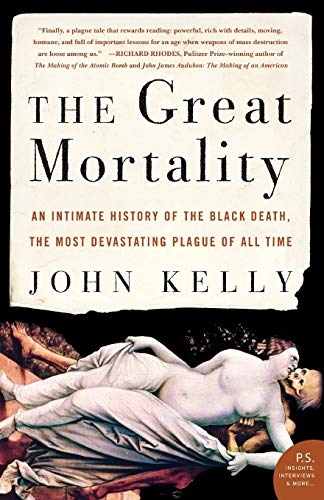
The Black Death’s demographic and economic aftershocks continued reshaping Europe for well over a century after the initial pandemic subsided.
Related Auburn AI Products
Building a content site at scale? Auburn AI has production-tested kits: