
Affiliate disclosure: As an Amazon Associate, HistoryBookTales earns from qualifying purchases at no additional cost to you. Product availability subject to change.
For centuries, kings, generals, and ordinary citizens across the Greek world traveled to a single mountainside temple to hear the words of a woman believed to speak for the god Apollo himself — the Pythia, priestess of the Oracle at Delphi.
A position open only to women
In a society that excluded women from most formal political and religious authority, the Pythia held a role no man could occupy, delivering pronouncements that could start wars, found colonies, or unseat rulers.
Deliberately ambiguous prophecy
The Oracle’s answers were famously cryptic and open to multiple interpretations — a quality some historians argue was less mystical trick and more sound political strategy, since ambiguous prophecy is rarely provably wrong.
What modern science suggests about the trance
Geological studies of the temple site have found evidence of gas vents beneath the chamber where the Pythia delivered prophecies, suggesting a possible natural explanation for the altered states ancient sources describe.
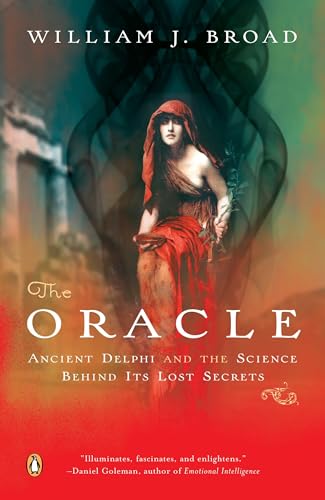

Whatever combination of geology, ritual, and political calculation produced her pronouncements, the Pythia’s influence on Greek decision-making was genuinely real, not just legendary.